So which part of this are you actually stuck on?
> five forks, in the order a real decision needs them. pick the one you are standing at; the vocabulary follows.
ExtraSys is an independent guide to cloud computing, written by people with nothing to sell you. It explains the mechanisms — what a zone is, where the meter sits, what "serverless" quietly kept — in the order a real decision needs them. It is not a comparison site, not a reseller, and not a place that will tell you the cloud is always the answer.
Pick the fork you are standing at.
start anywhere ↓Most cloud confusion is not a vocabulary gap, it is an unmade decision wearing one. The words — instance, zone, egress, serverless — get explained on the way past, only where they matter.

The flagship argument · Pay for what?
The Idle Tax
You are not paying for computation. You are paying for reservation — and most of what you've reserved is doing nothing.
if row one of your bill stung, start here
Move it at all?
What actually happens during a cloud migration and whether the case for doing it holds up under scrutiny.
Open the fork → What Moving to the Cloud Actually MeansA plain-mechanics explainer of what physically and logically changes when workloads move to a…Move it at all? · 5 min read
 The Lift-and-Shift TrapAn argument about why moving a workload without redesigning it typically produces the worst of both…Move it at all? · 3 min read
 How a Hyperscaler's Datacentre Differs from YoursA comparative piece on physical and operational differences — power redundancy, network topology…Move it at all? · 3 min read
 Shared Responsibility, Drawn PlainlyA walk-through of the shared responsibility model — what the provider owns, what the tenant owns, and…Move it at all? · 2 min read
Rent what?
The service models — IaaS, PaaS, SaaS, serverless, containers — and what each one actually hands you and withholds.
Open the fork → IaaS, PaaS, SaaS — Where the Line Actually SitsAn explainer that uses the control-versus-convenience axis to define the three models, then shows the…Rent what? · 4 min read
 Serverless Is Not No ServerCorrects the most common misconception about function-as-a-service: the server exists, you just lost…Rent what? · 2 min read
 The Managed Database BargainA piece about what you give up when you hand database operations to a cloud provider — tuning access…Rent what? · 4 min read
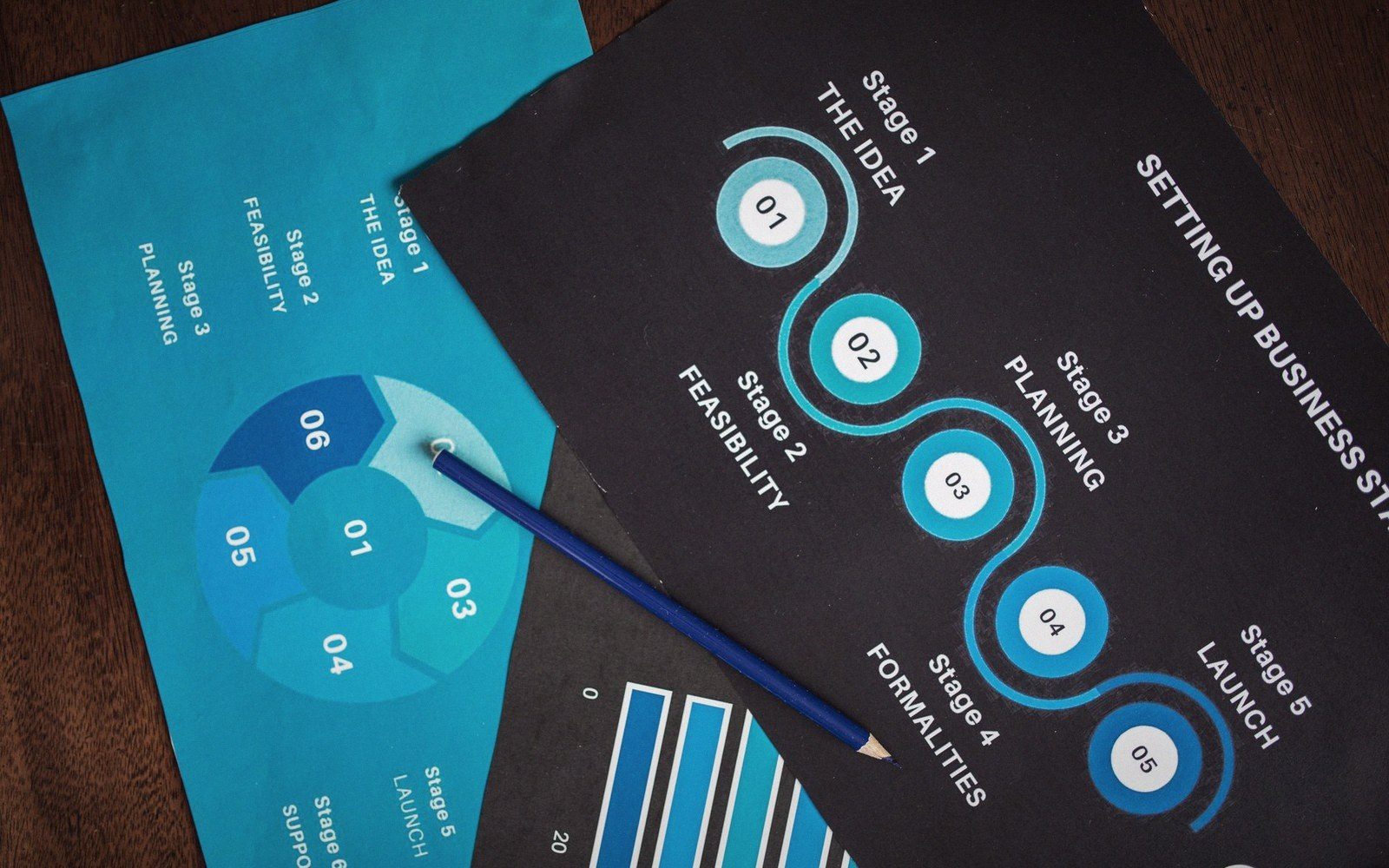 Containers vs. Functions — A Real ChoiceA comparison piece that maps containers and serverless functions against workload characteristics — run…Rent what? · 4 min read
 Object Storage: What It Is NotAn argument from the negative — defining object storage by what engineers keep trying to use it as (a…Rent what? · 2 min read
Pay for what?
Why cloud bills surprise people, how the pricing mechanisms actually work, and what running totals are hiding.
Open the fork →The Idle TaxExplains why running infrastructure that is not doing work is the single most common source of cloud…Pay for what? · 6 min read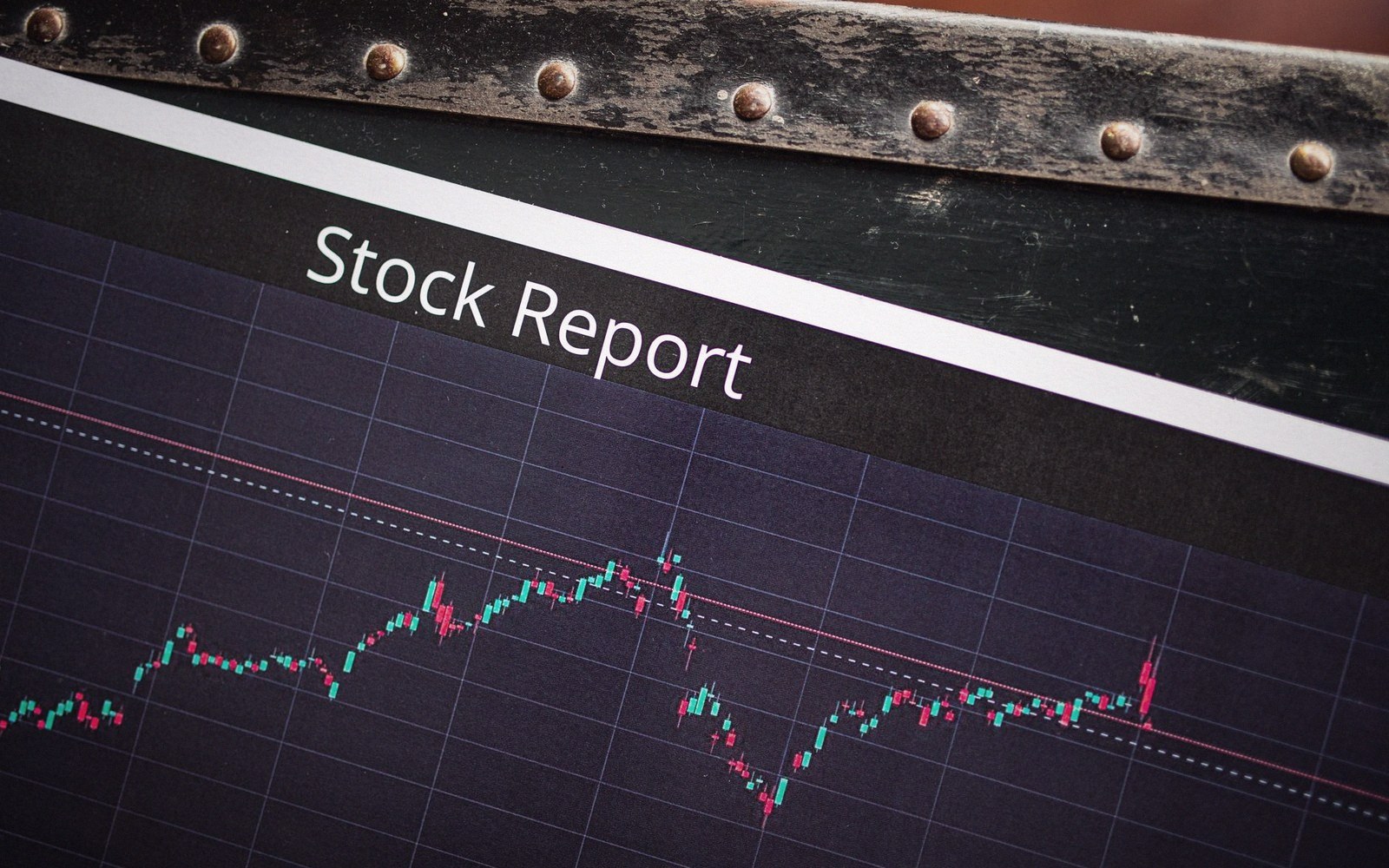 Egress — the Charge Nobody Plans ForA practical explainer of data-transfer pricing: why moving data out of a cloud costs money, how…Pay for what? · 2 min read
 Reserved vs. On-Demand — the Real MathsA walk-through of the commitment-discount mechanism — what you are actually buying with a reservation…Pay for what? · 3 min read
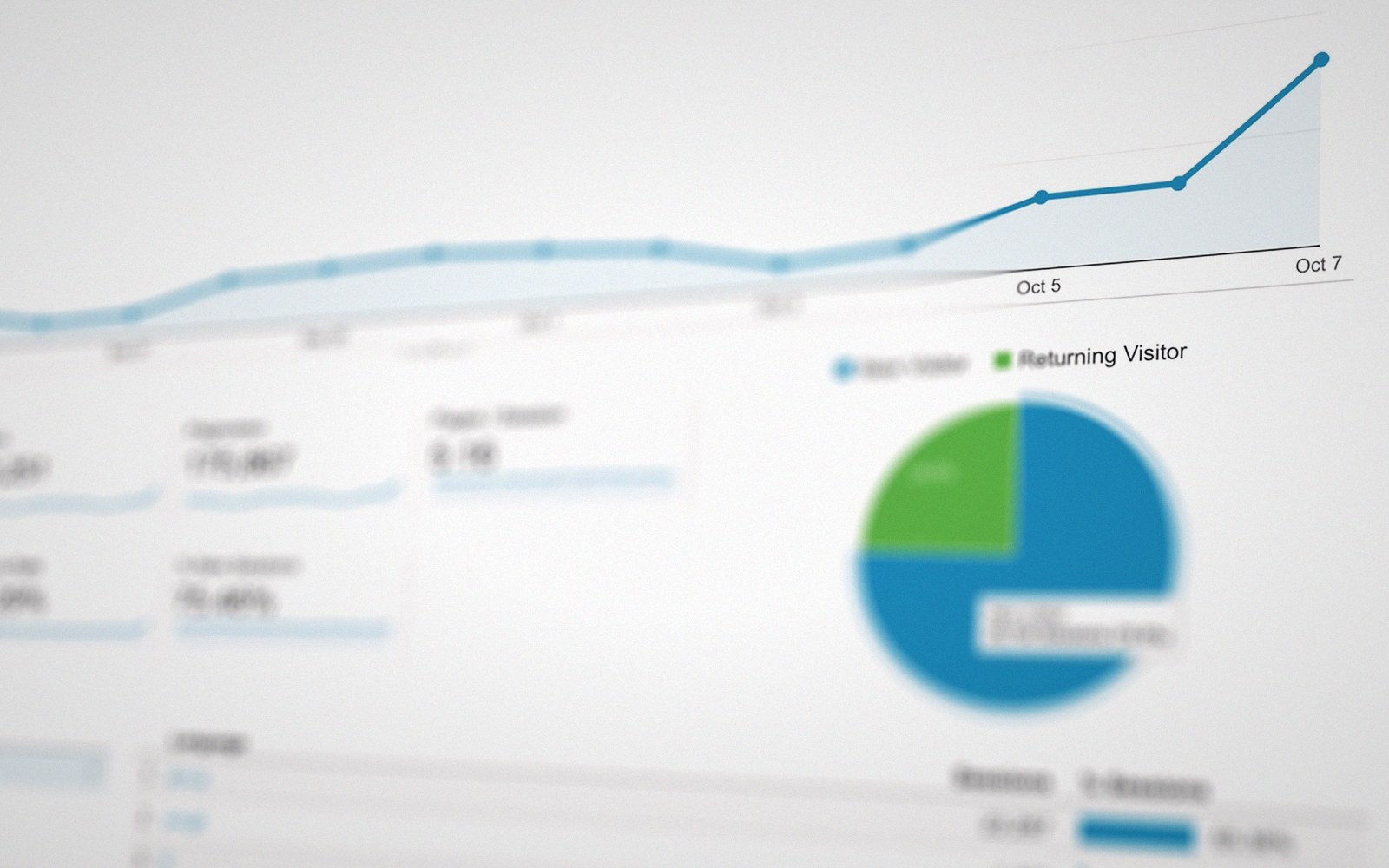 How a Bill Becomes a SurpriseA narrative walk-through of a typical billing shock — the sequence of decisions, defaults, and missing…Pay for what? · 3 min read
 Spot Instances — What You Are Actually BuyingExplains the preemption model: that a spot instance is spare capacity rented at a discount with the…Pay for what? · 2 min read
When it breaks?
Availability zones, regions, failure modes and what the architecture actually protects against — and what it does not.
Open the fork → What an Availability Zone Actually IsAn explainer of the physical and network isolation that AZs are designed to provide — and the failure…When it breaks? · 4 min read
 The Shared-Fate ProblemAn argument about why distributing workloads across AZs or regions does not guarantee independence …When it breaks? · 4 min read
 RTO and RPO Without the JargonA plain-language explainer of recovery time and recovery point objectives — what they measure, how they…When it breaks? · 2 min read
 Why Multi-Region Is Harder Than It SoundsA long argument that multi-region deployment is often proposed as a solution without accounting for the…When it breaks? · 6 min read
 The Anatomy of a Cloud Outage PostmortemA structural walk-through of how major cloud providers publish postmortems — what they disclose, what…When it breaks? · 4 min read
Or don't
Cases where the cloud is the wrong answer — latency, data sovereignty, cost structure, operational control — argued plainly.
Open the fork → When On-Premises WinsAn honest accounting of the workload characteristics — sustained high utilisation, strict…Or don't · 3 min read
 The Repatriation ArgumentAn explainer of cloud repatriation — moving workloads back on-premises or to colocation — covering the…Or don't · 4 min read
 Latency Is PhysicsA short, blunt piece about the speed-of-light constraint: what distance means for round-trip time, why…Or don't · 2 min read