Fork 03
Pay for what?
Why cloud bills surprise people, how the pricing mechanisms actually work, and what running totals are hiding.
work down the list until one of them stings
The worksheet
Every guide at this fork answers one row. Work down the left column until something you believe stops being true.
| What you think | What is actually true |
|---|---|
| You pay for what you use. | You pay for what you reserved. The meter cannot tell work from idling, and does not try.The Idle Tax → |
| Data transfer is basically free. | Inbound is. The exit is metered — and some of the interior doors take tickets too.Egress — the Charge Nobody Plans For → |
| A commitment discount is the provider being generous. | You are selling them certainty. Whether that was wise is break-even arithmetic about a future you are guessing at.Reserved vs. On-Demand — the Real Maths → |
| The bill spiked out of nowhere. | A sequence of defaults, decisions and missing alerts produced it. Mechanism, not misfortune.How a Bill Becomes a Surprise → |
| Spot is simply cheaper compute. | It is spare capacity rented with the provider’s right to reclaim it. Tolerable or ruinous, depending entirely on the workload.Spot Instances — What You Are Actually Buying → |
The 5 guides, in reading order
Every guide → The Idle TaxExplains why running infrastructure that is not doing work is the single most common source of cloud overspend — how idle compute, over-provisioned memory, and forgotten snapshots accumulate into real cost. The flagship billing piece.By the ExtraSys desk · Pay for what? · 6 min read
 Egress — the Charge Nobody Plans ForA practical explainer of data-transfer pricing: why moving data out of a cloud costs money, how cross-region and internet egress are priced differently, and why this asymmetry is structural rather than accidental.By the ExtraSys desk · Pay for what? · 2 min read
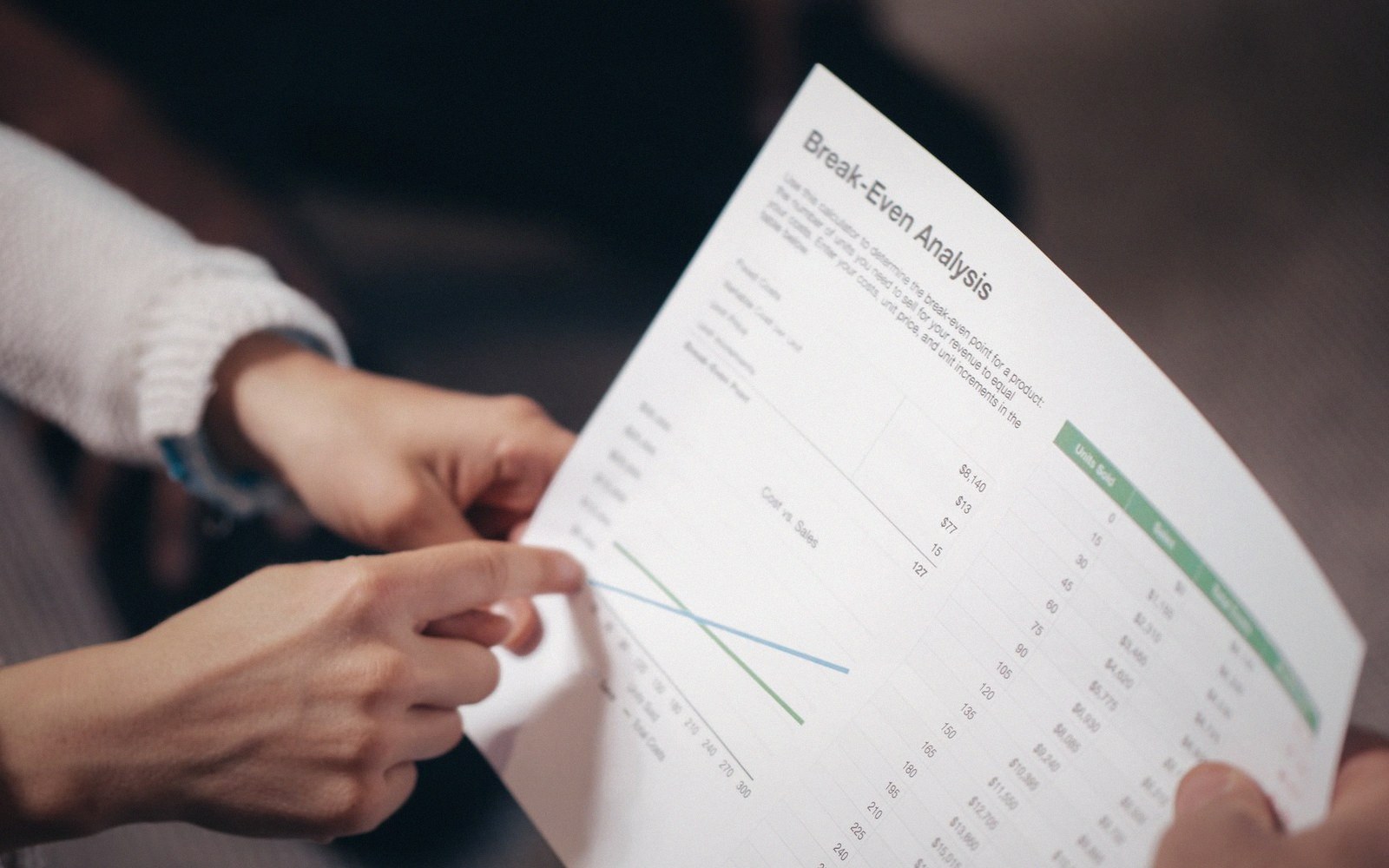 Reserved vs. On-Demand — the Real MathsA walk-through of the commitment-discount mechanism — what you are actually buying with a reservation, what happens when your workload changes, and the break-even logic that makes or breaks the decision. Uses illustrative ratios, not invented figures.By the ExtraSys desk · Pay for what? · 3 min read
 How a Bill Becomes a SurpriseA narrative walk-through of a typical billing shock — the sequence of decisions, defaults, and missing alerts that produces it — told as a mechanism rather than a cautionary tale. Shows where the instrumentation gaps usually are.By the ExtraSys desk · Pay for what? · 3 min read
 Spot Instances — What You Are Actually BuyingExplains the preemption model: that a spot instance is spare capacity rented at a discount with the provider's right to reclaim it, and what workload characteristics make that tolerable or ruinous. No price figures; mechanism only.By the ExtraSys desk · Pay for what? · 2 min read